
Call for the paper: The Tales of the Marginals

Voices From The Periphery

Khātirāt-e Fārāmūsh Shode
PastPort

What is PastPort?

Your Passport to the Past.

PastPort is the heritage and Public history initiative of Voices from the Periphery, led by Rakhi Mondal, bringing the past to life through immersive heritage walks, trails, and journeys.

From forgotten streets to living monuments, we explore places not simply as sites, but as stories, memories, and histories waiting to be rediscovered.

Walk with us. See the past differently.

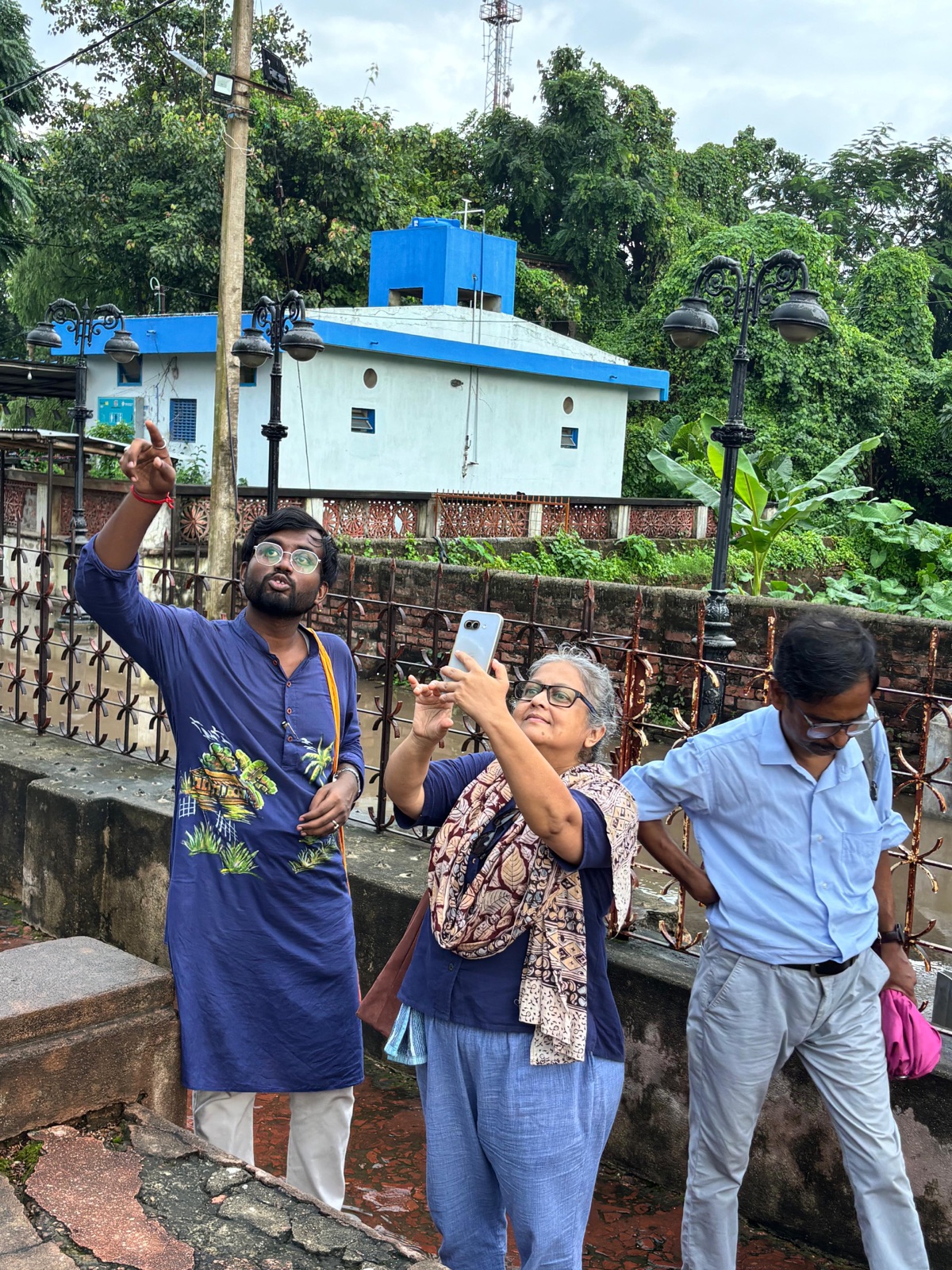
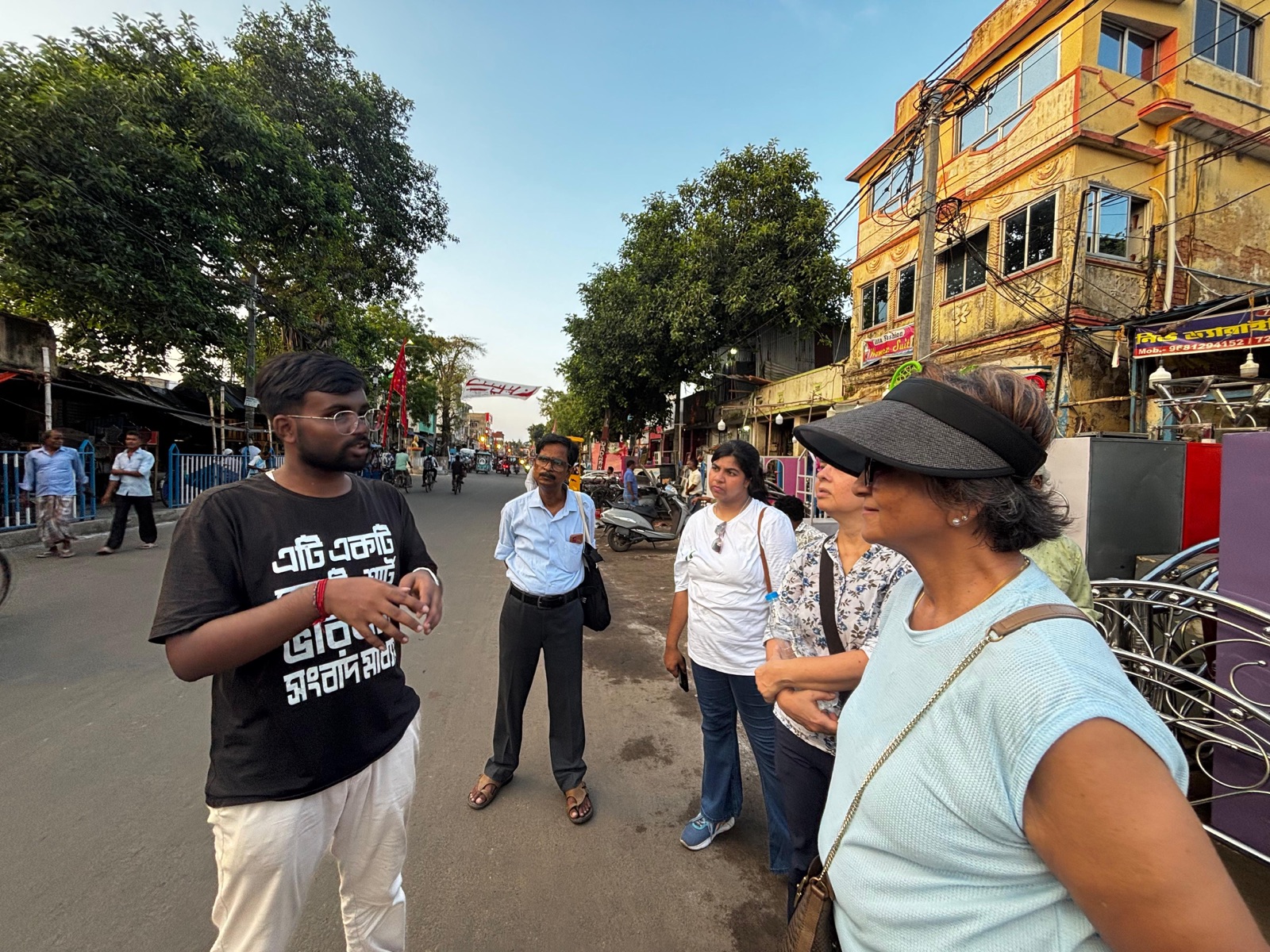
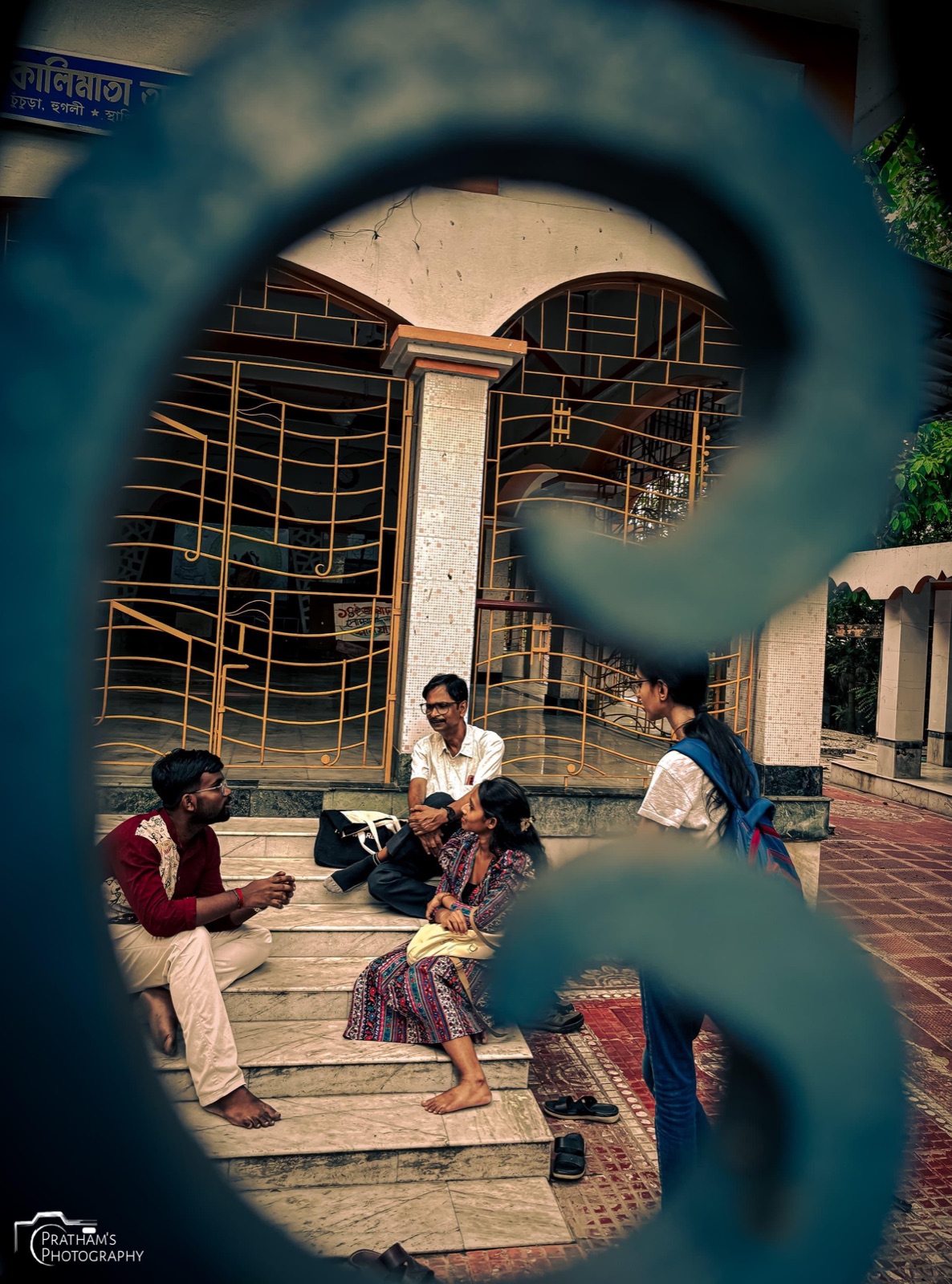
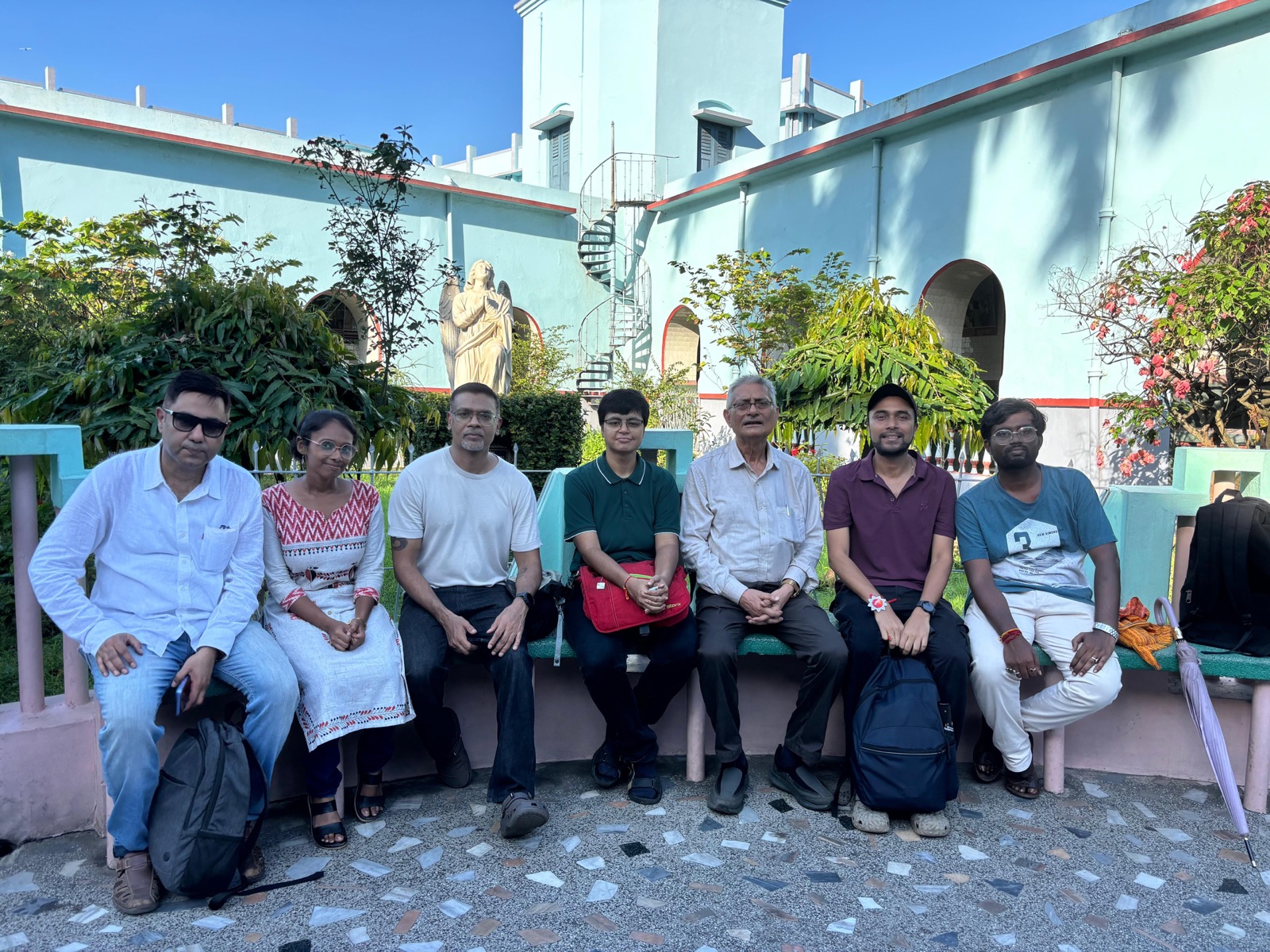
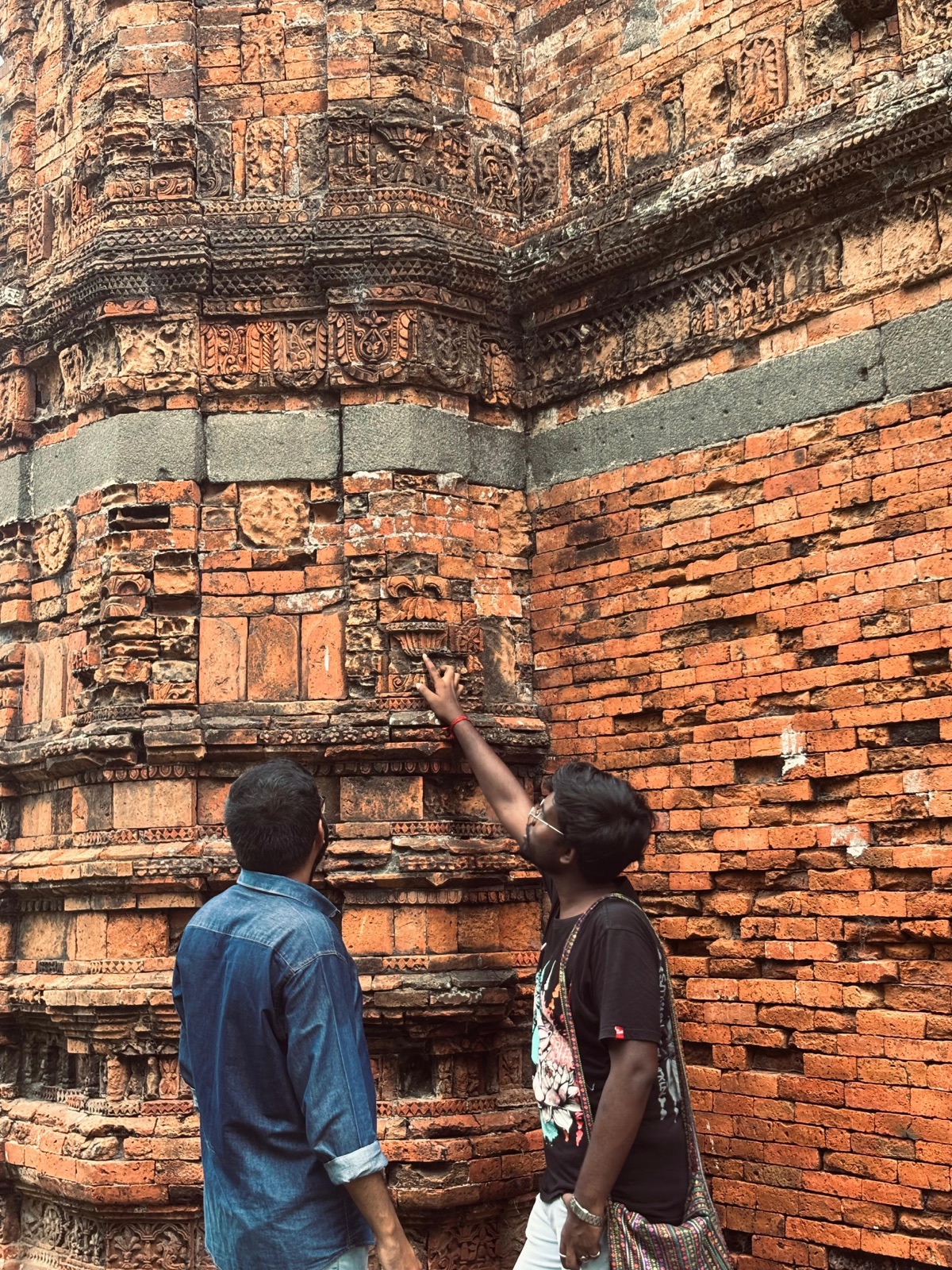
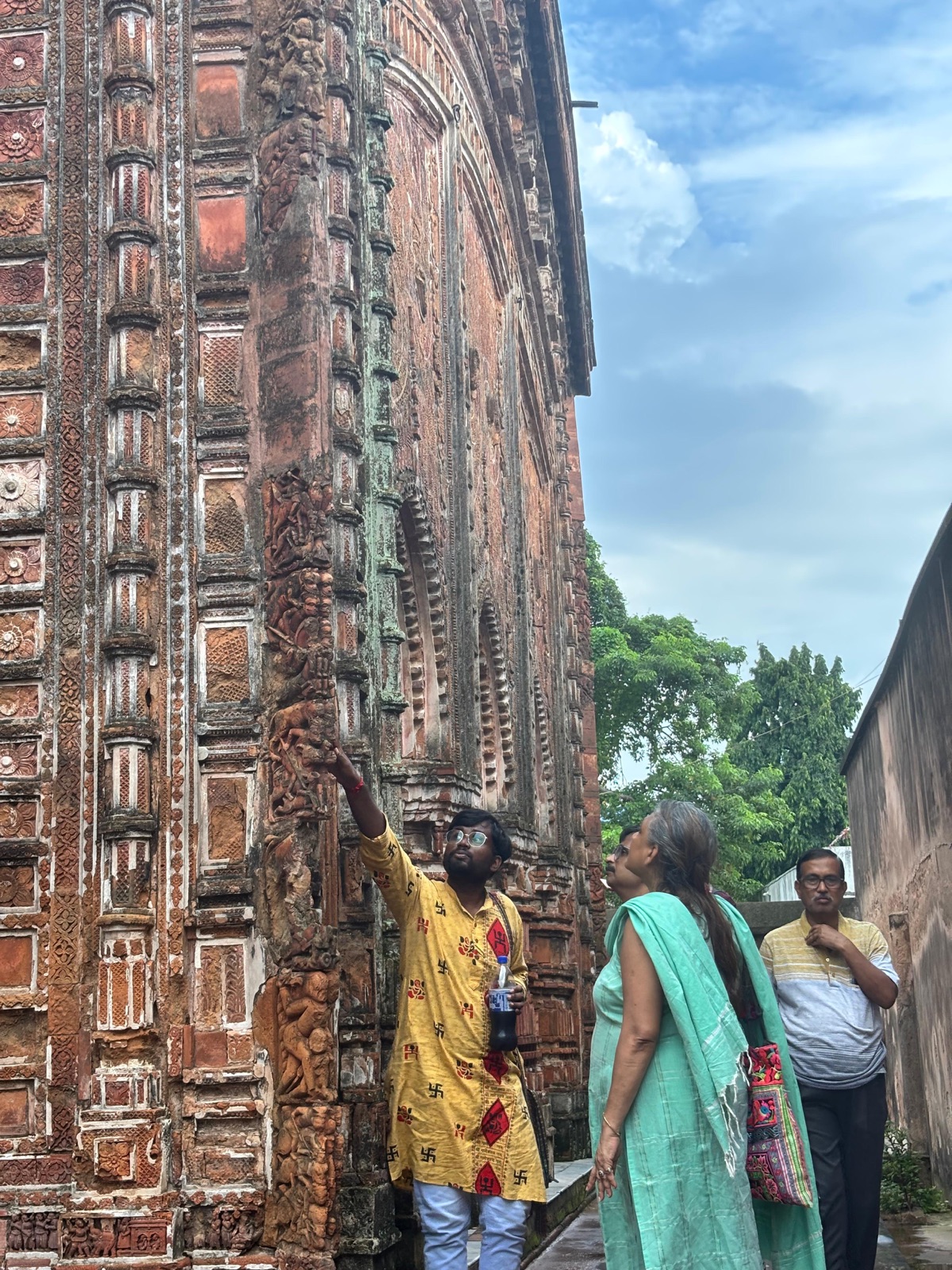
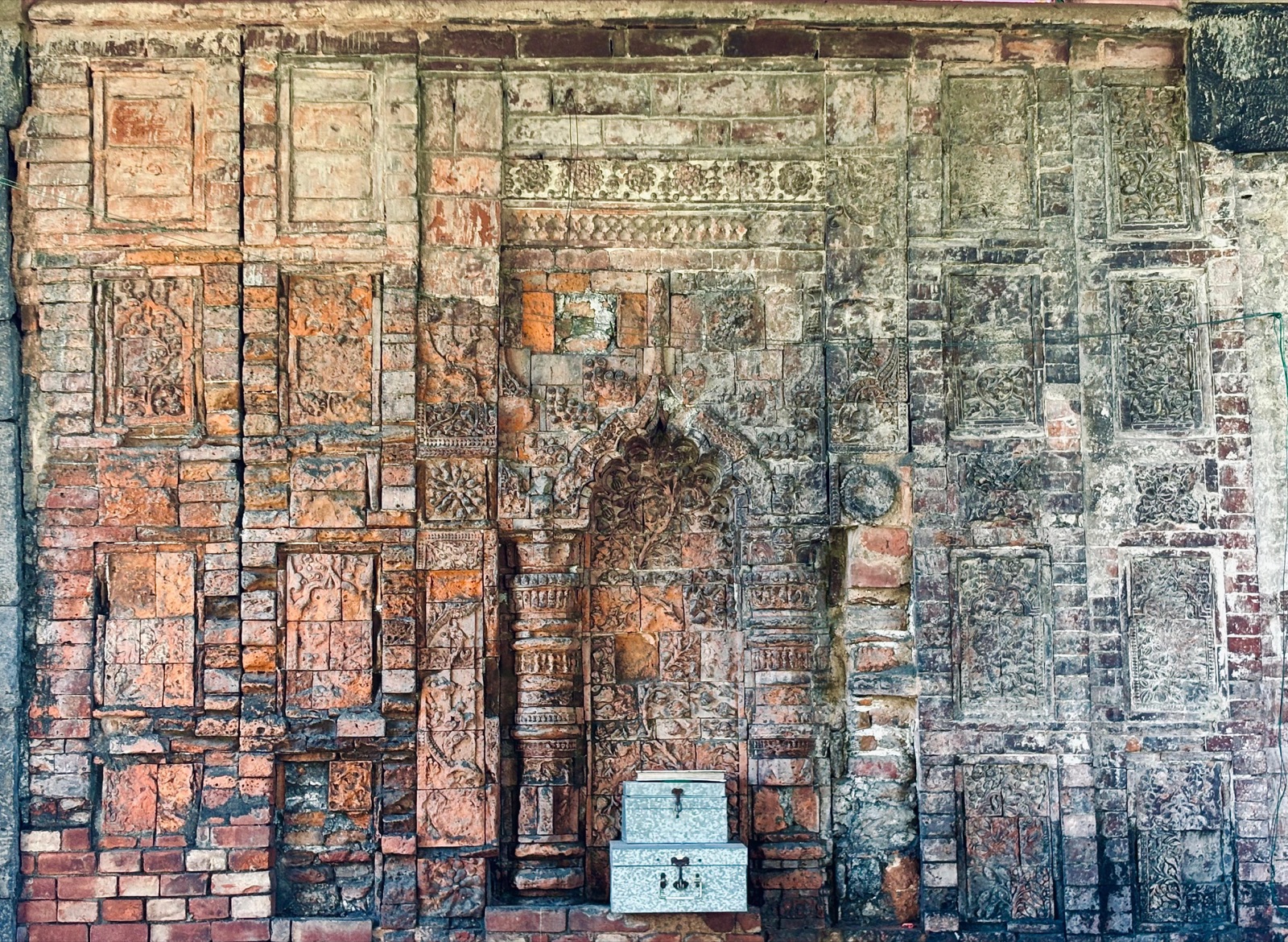
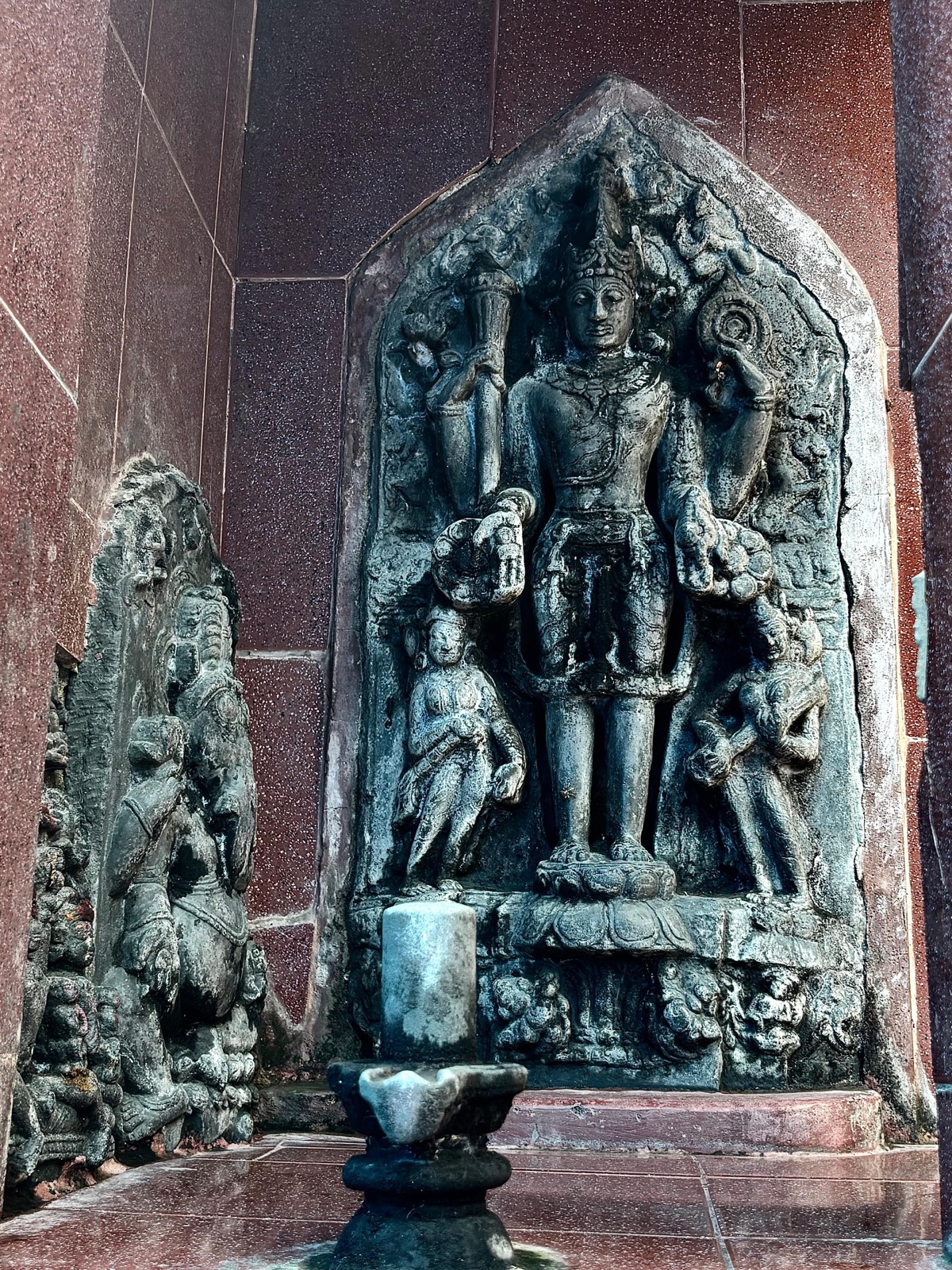
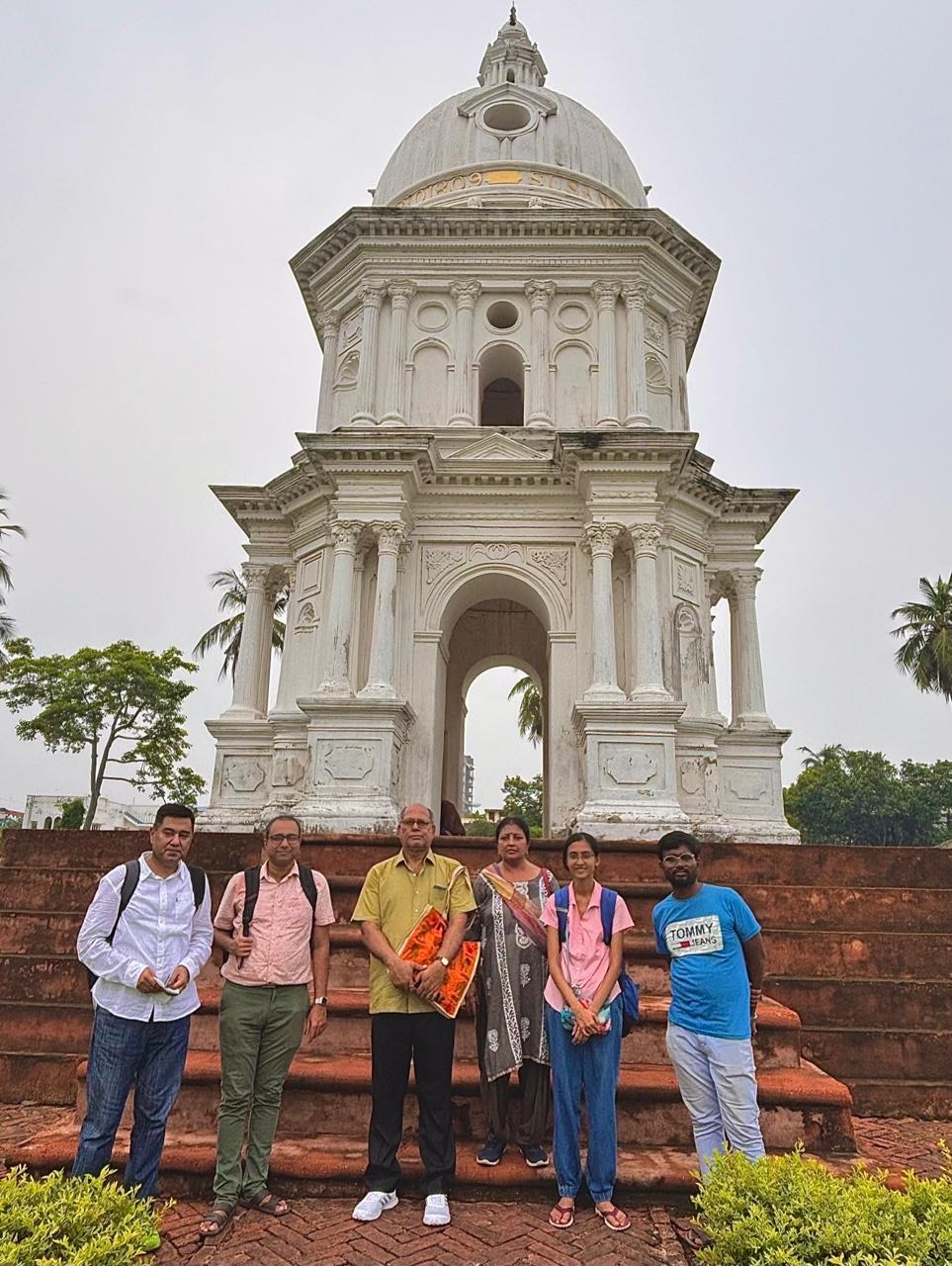
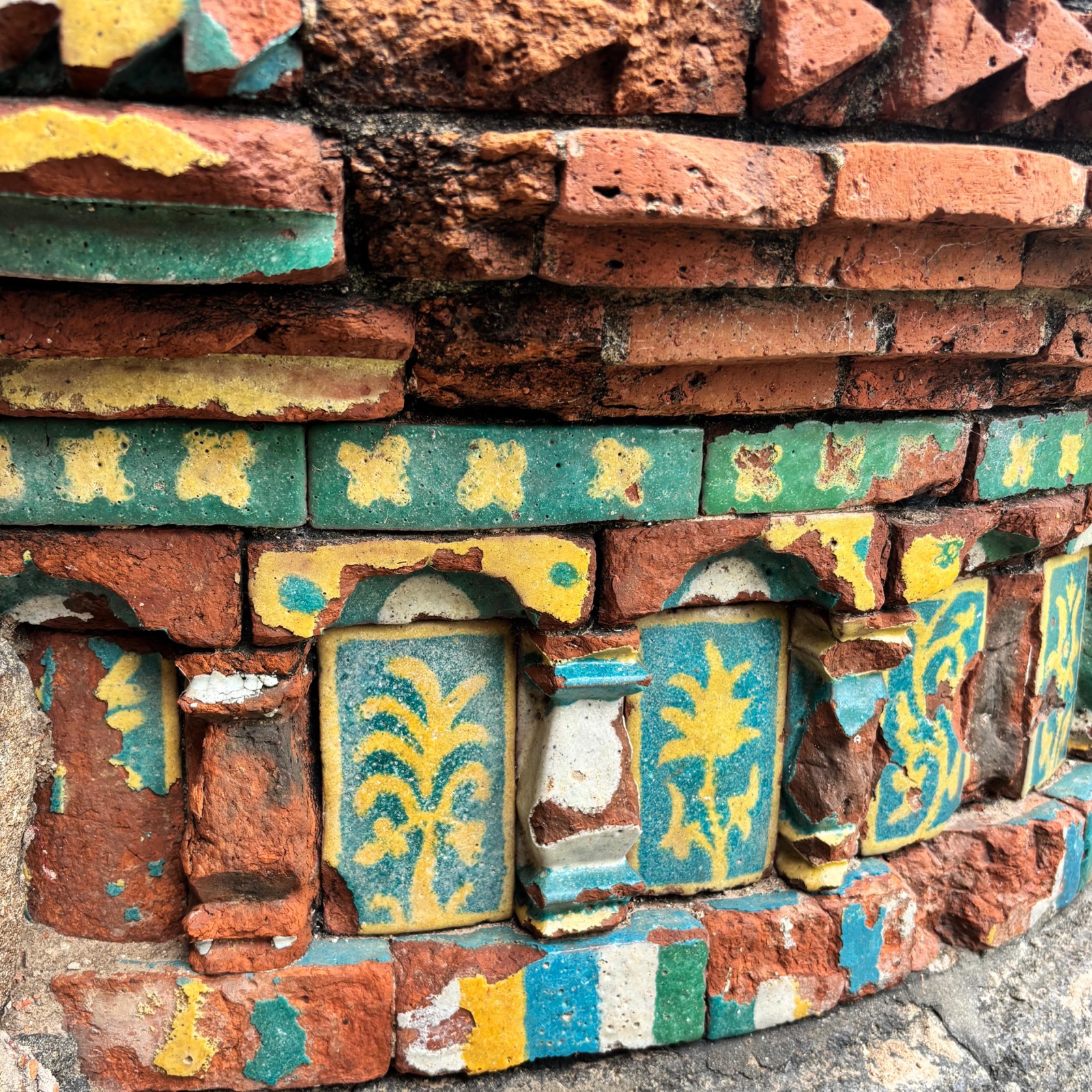
PastPort walk photograph 1 of 20
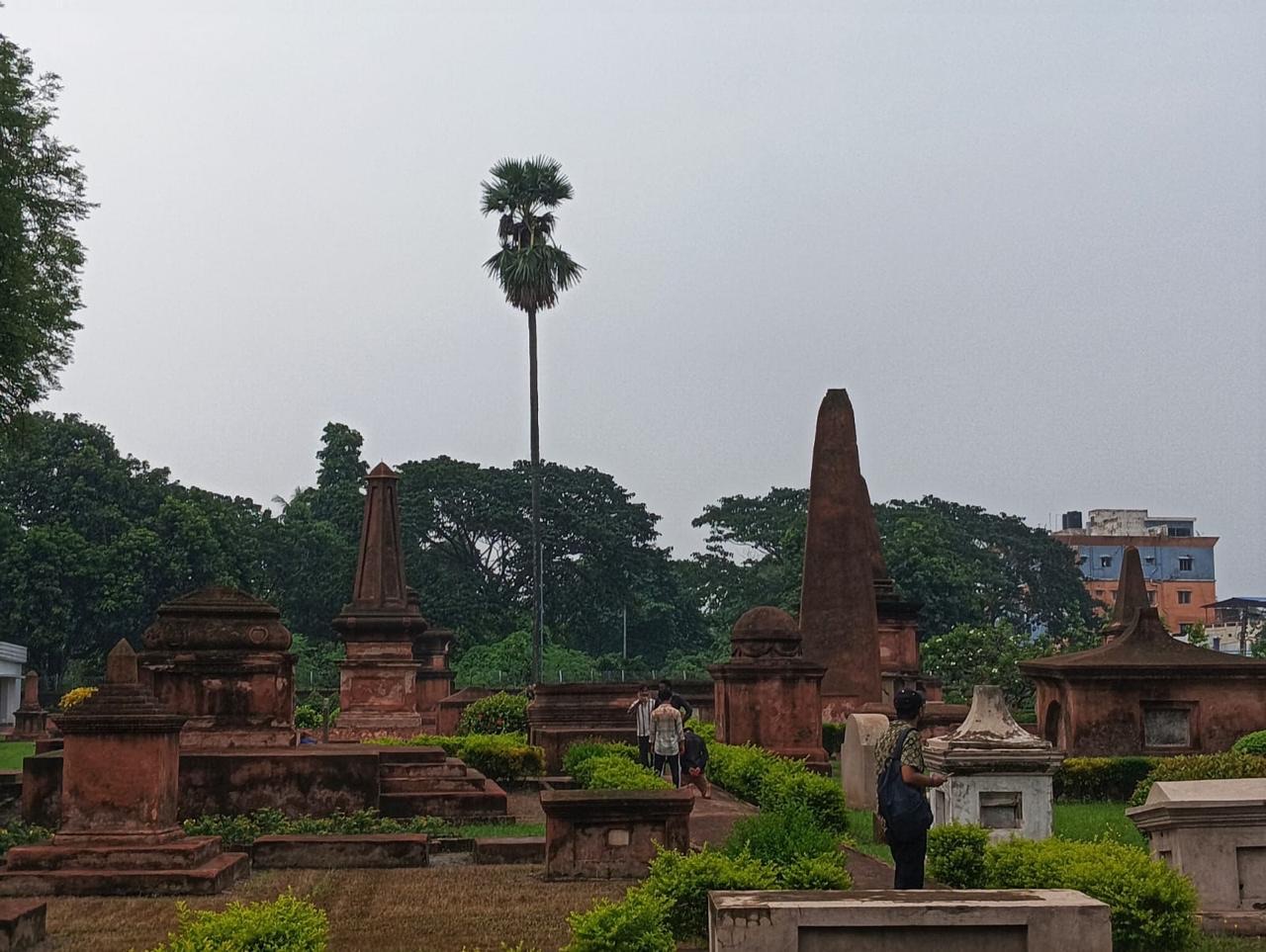
PastPort walk photograph 2 of 20
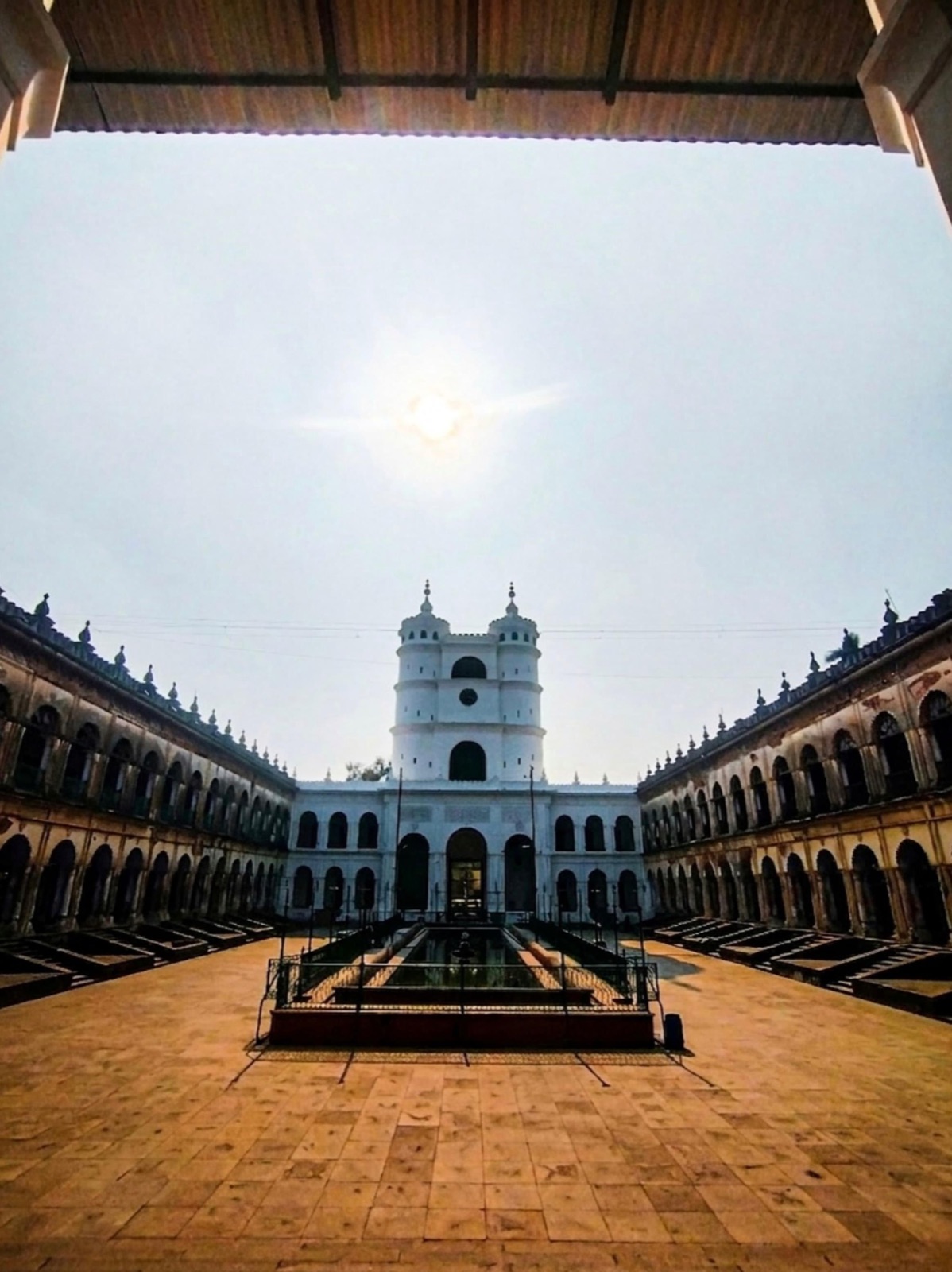
PastPort walk photograph 3 of 20
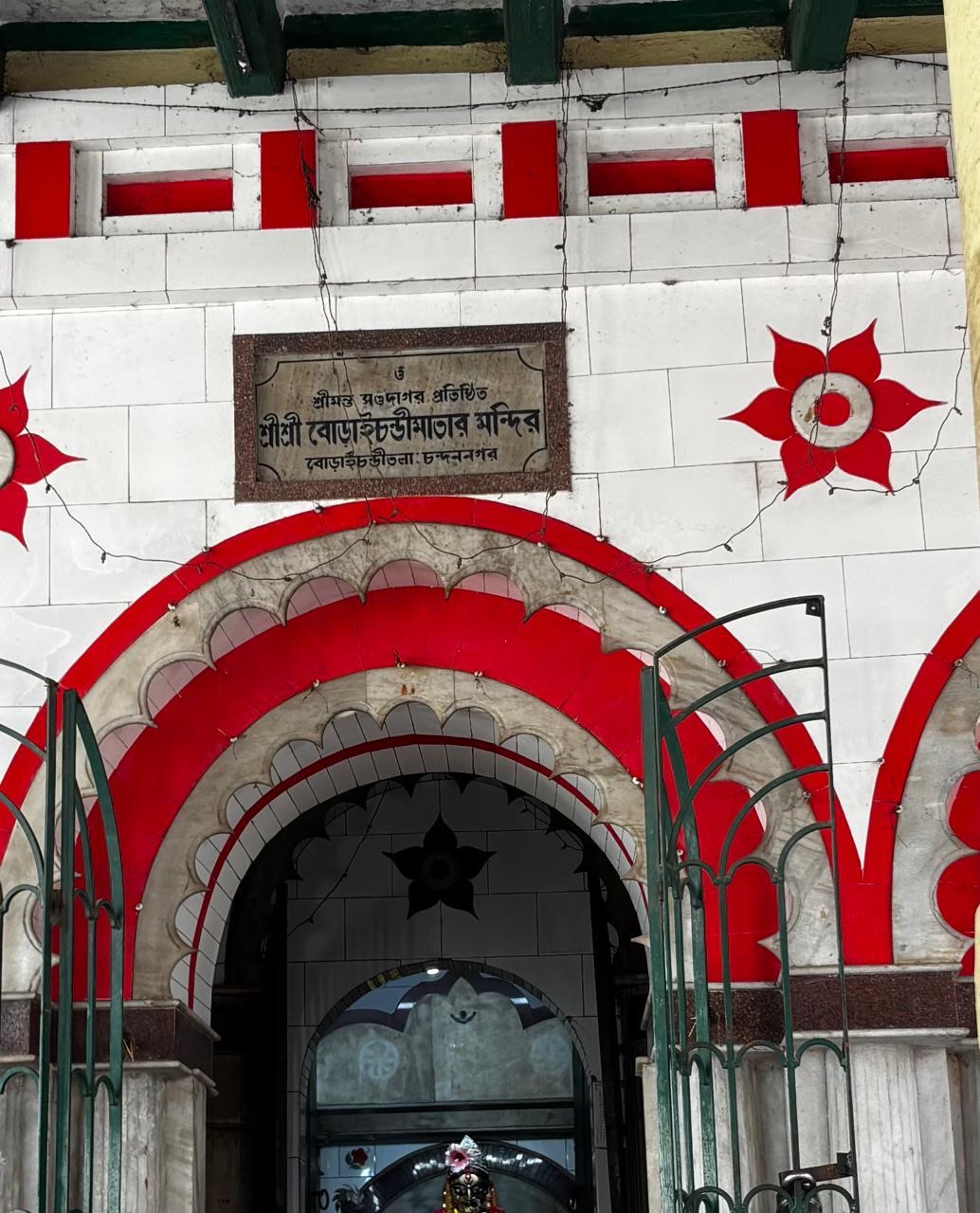
PastPort walk photograph 4 of 20
PastPort walk photograph 5 of 20
PastPort walk photograph 6 of 20
PastPort walk photograph 7 of 20
PastPort walk photograph 8 of 20
PastPort walk photograph 9 of 20
PastPort walk photograph 10 of 20
PastPort walk photograph 11 of 20
PastPort walk photograph 12 of 20
PastPort walk photograph 13 of 20
PastPort walk photograph 14 of 20
PastPort walk photograph 15 of 20
PastPort walk photograph 16 of 20
PastPort walk photograph 17 of 20
PastPort walk photograph 18 of 20
PastPort walk photograph 19 of 20
PastPort walk photograph 20 of 20
1 / 20

PastPort Walks

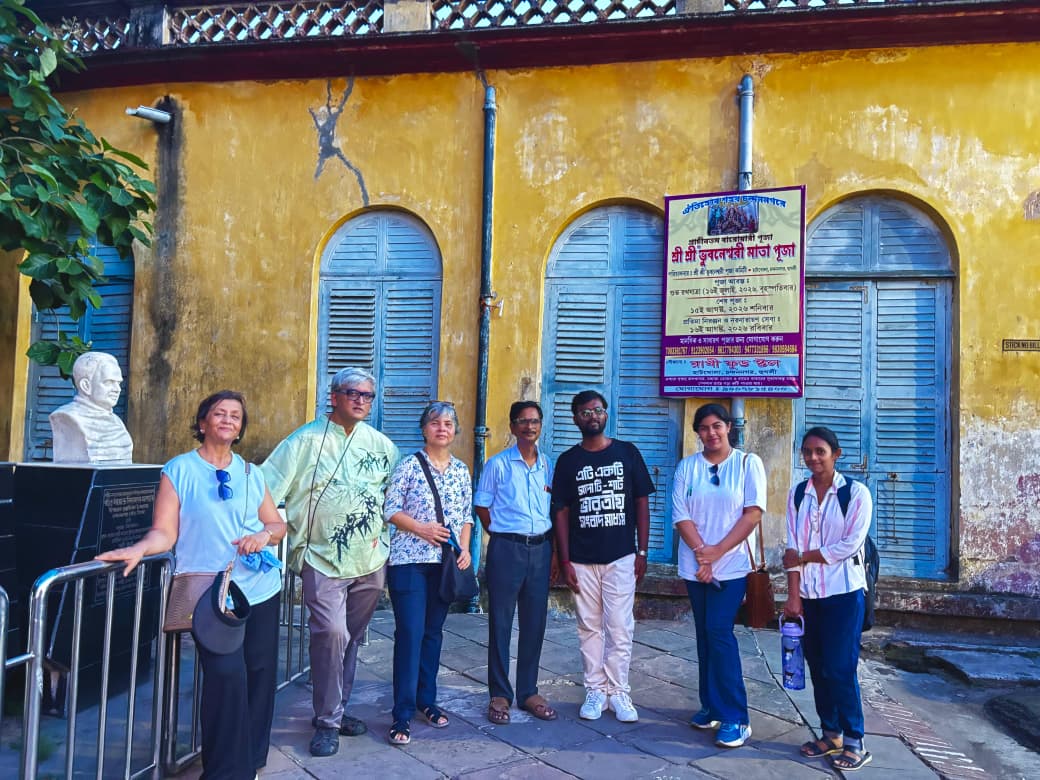
Chand-er-Nagore, Before Chandannagar
Walk 01

Chand-er-Nagore, Before Chandannagar

Tracing the forgotten histories of a French town

What existed here before Chandannagar became a French town? Long before European traders arrived on the banks of the Hooghly, Chand-er-Nagore was already woven into older networks of trade, faith, folklore, and settlement.

This heritage walk journeys into that layered past—from the tales of Chand Sadagar and the riverine world of medieval Bengal to the stories surrounding early Durga Puja traditions, old settlements, temples, markets, and the communities that shaped the town. We will explore how a landscape of merchants, sailors, devotees, traders, and travellers gradually became the Chandannagar we recognise today.

Beyond colonial buildings and familiar landmarks, PastPort takes you further back—to the histories that existed before the French, beneath the French, and beyond them.

Come discover the Chand-er-Nagore that existed before Chandannagar.
Where the Dutch Meet the Ganges
Walk 02

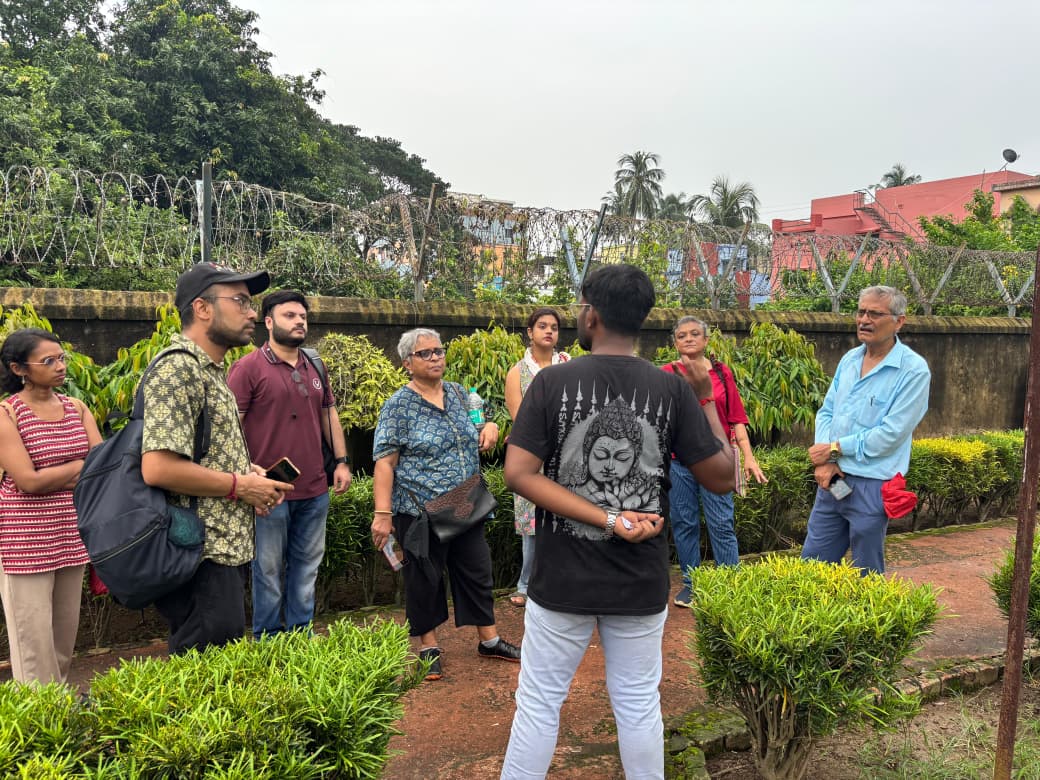
Where the Dutch Meet the Ganges

Tracing the Dutch legacy of Chinsurah

What happens when a European trading power meets one of Bengal’s great rivers?

On the banks of the Hooghly lies Chinsurah, a town shaped by commerce, migration, faith, and encounters between worlds. Once an important Dutch settlement, its streets still hold traces of a past when merchants, ships, warehouses, churches, and markets connected Bengal to the wider world.

This heritage walk takes you through Chinsurah’s Dutch past—from the river and the old trading networks to forgotten buildings, colonial encounters, religious spaces, and the communities that made the town their home. Along the way, we will also look beyond the Dutch to uncover the Bengali histories that existed alongside, beneath, and beyond colonial Chinsurah.

Come walk through the streets where the Dutch met the Ganges—and discover the many histories that remain.

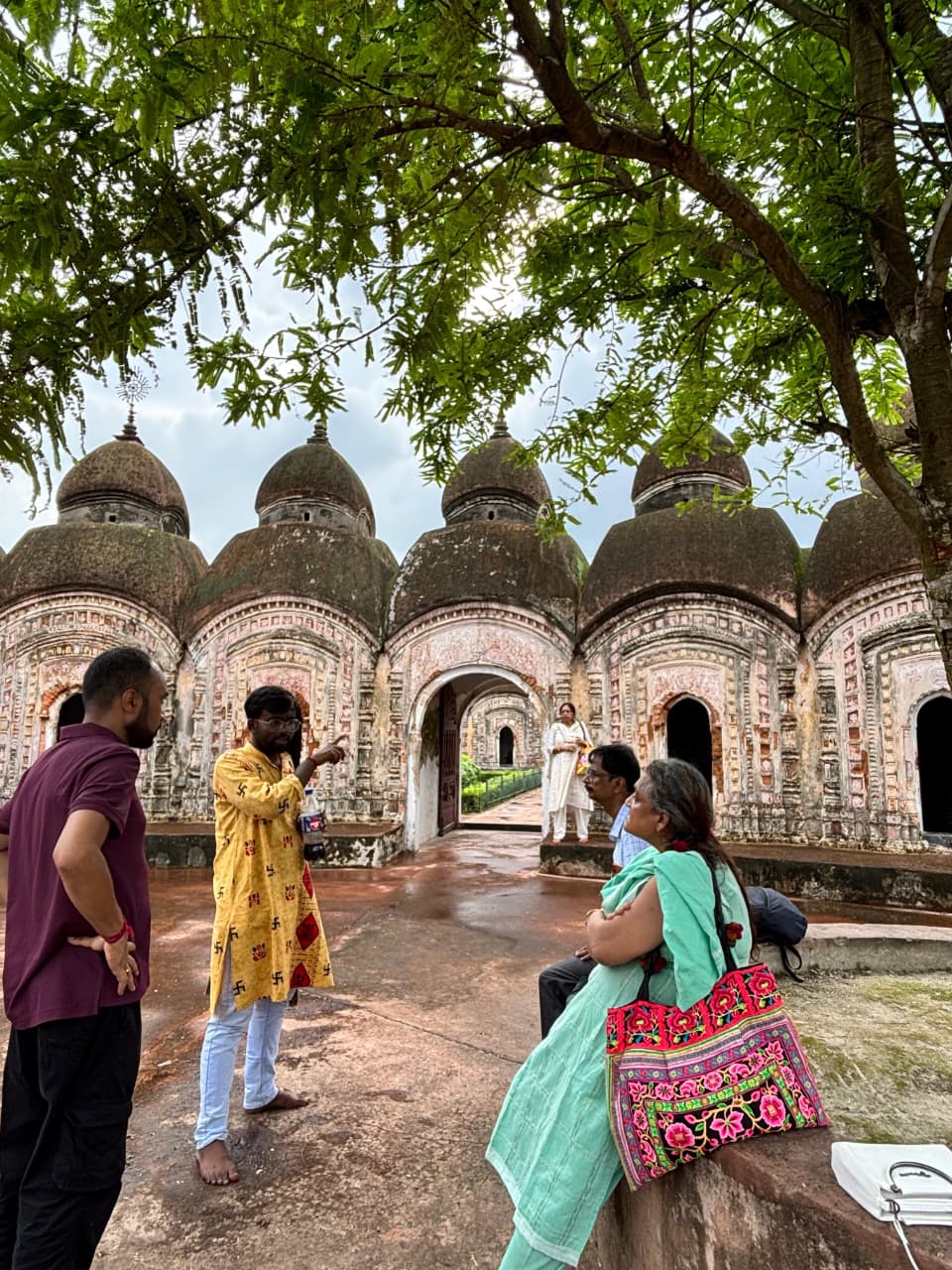
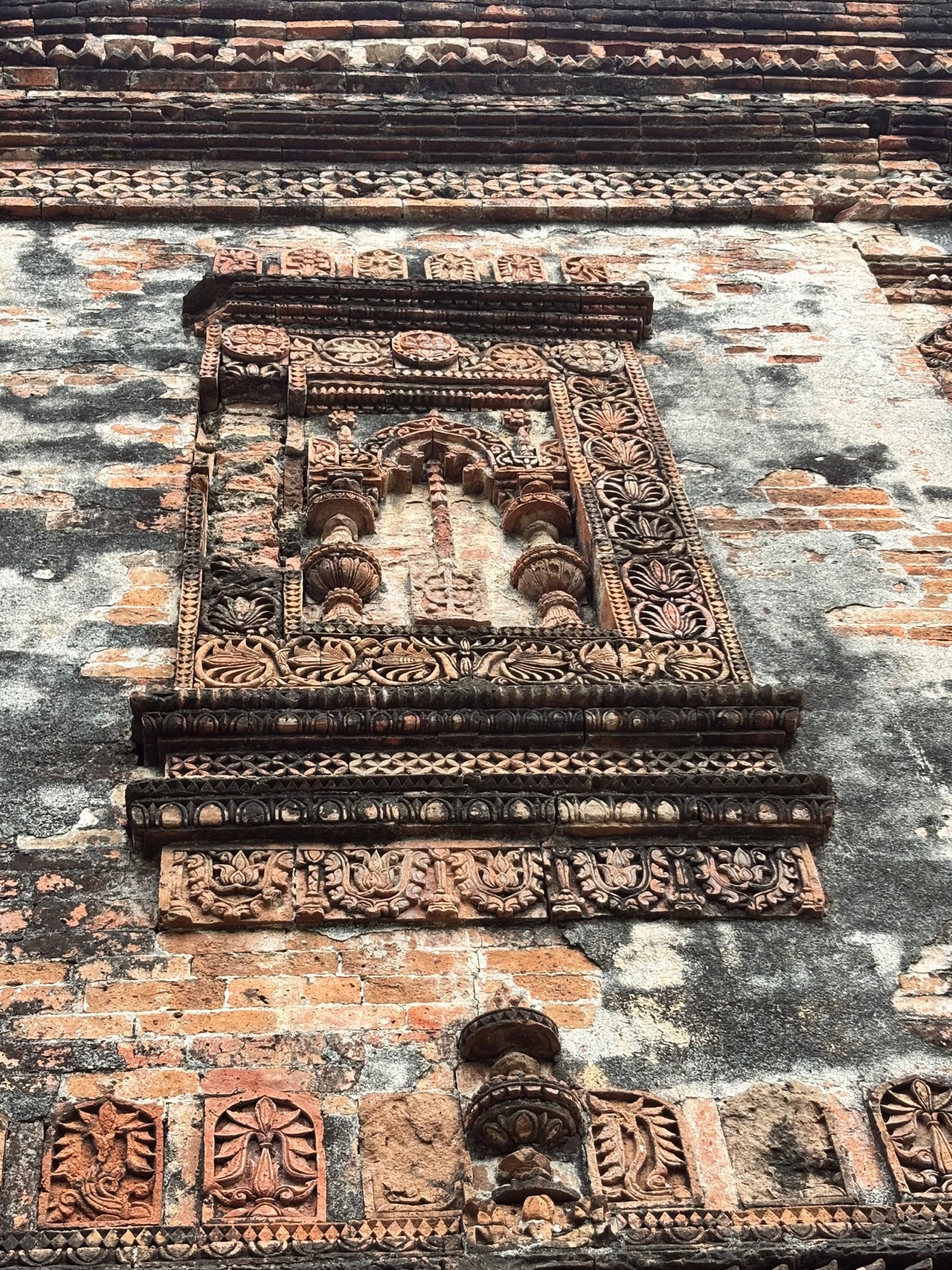
Ambika Kalna, Where Terracotta Meets Time
Walk 03

Ambika Kalna, Where Terracotta Meets Time

Tracing the layered histories of an old Bengali town

What if the walls of a temple could tell the story of a city?

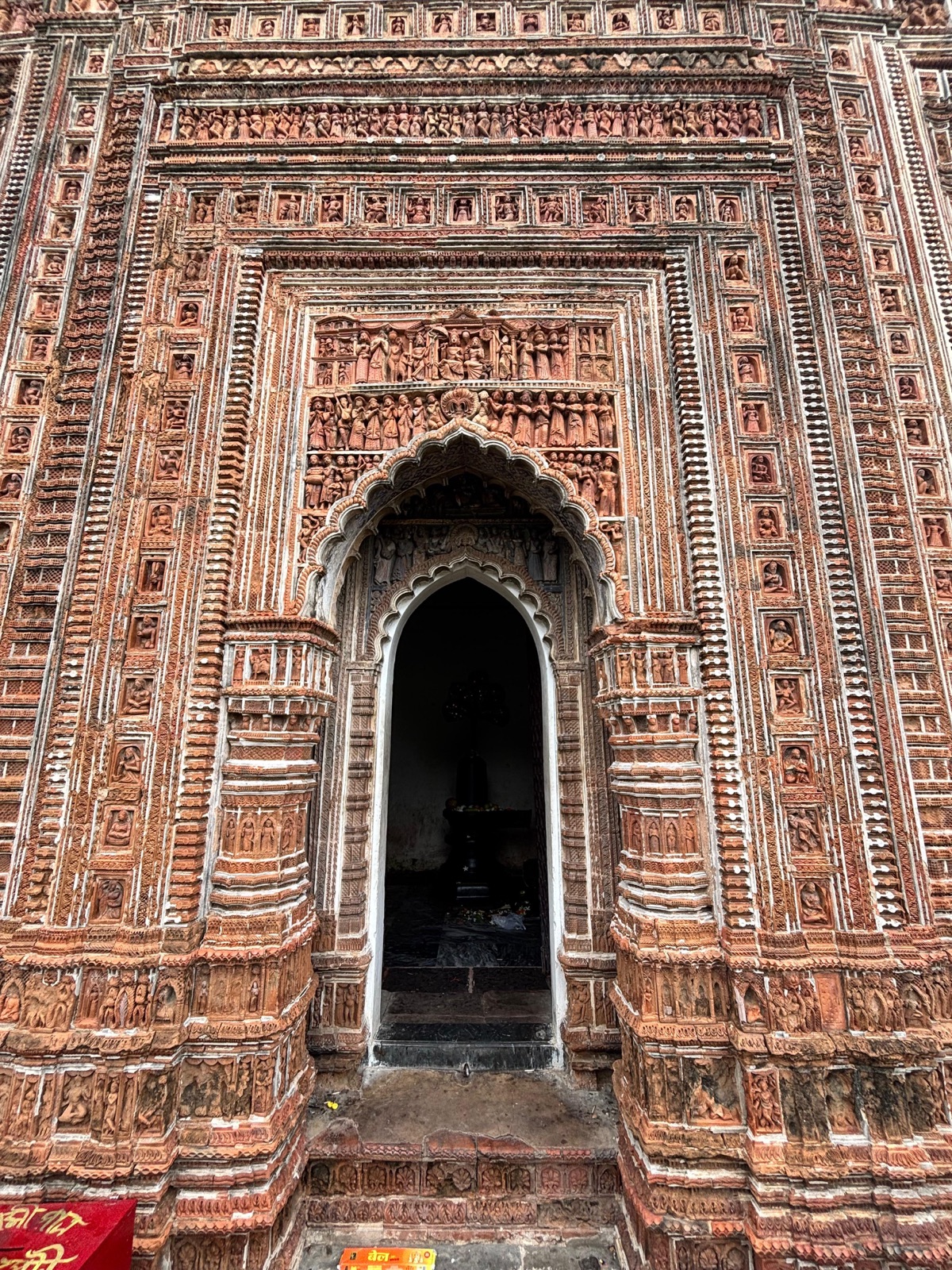
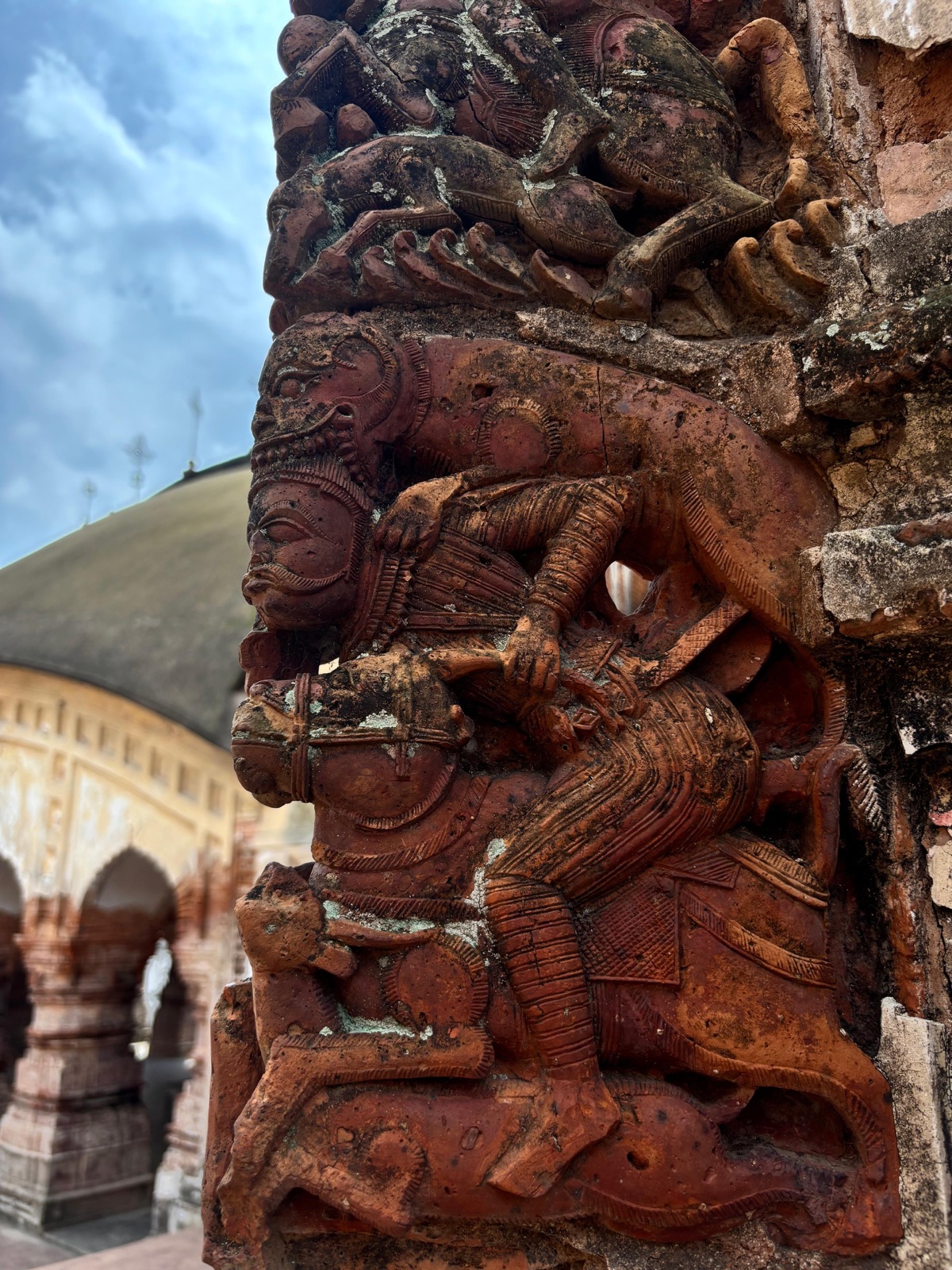
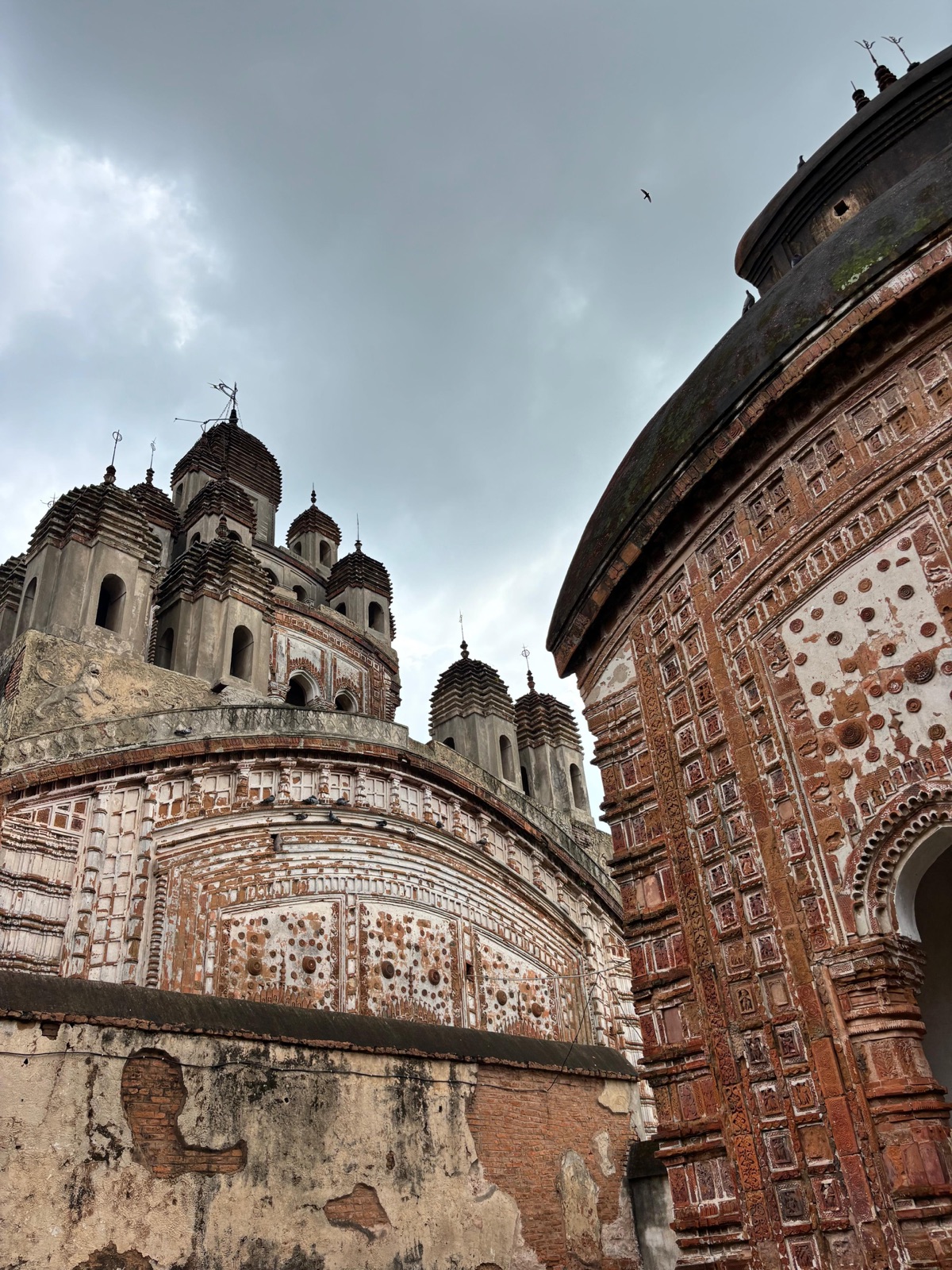
On the banks of the Bhagirathi lies Ambika Kalna, a town where centuries of devotion, architecture, trade, and everyday life have left their mark. Best known for its extraordinary terracotta temples, Kalna holds far more than its magnificent temple complex—from the royal patronage of the Bardhaman Raj to old neighbourhoods, shrines, markets, and the living traditions that continue to shape the town.

This heritage walk journeys through Kalna’s layered past, exploring its temples, stories, streets, and forgotten corners while tracing how faith, art, power, and community came together to create this remarkable old Bengali town.

Come walk through Kalna—where terracotta preserves what time refuses to forget.

Game of Thrones: The Tale of a Lost Capital
Walk 04

Game of Thrones: The Tale of a Lost Capital

Gour-Malda and the Making of Medieval Bengal

What happens when a magnificent capital disappears, but its stories refuse to die?

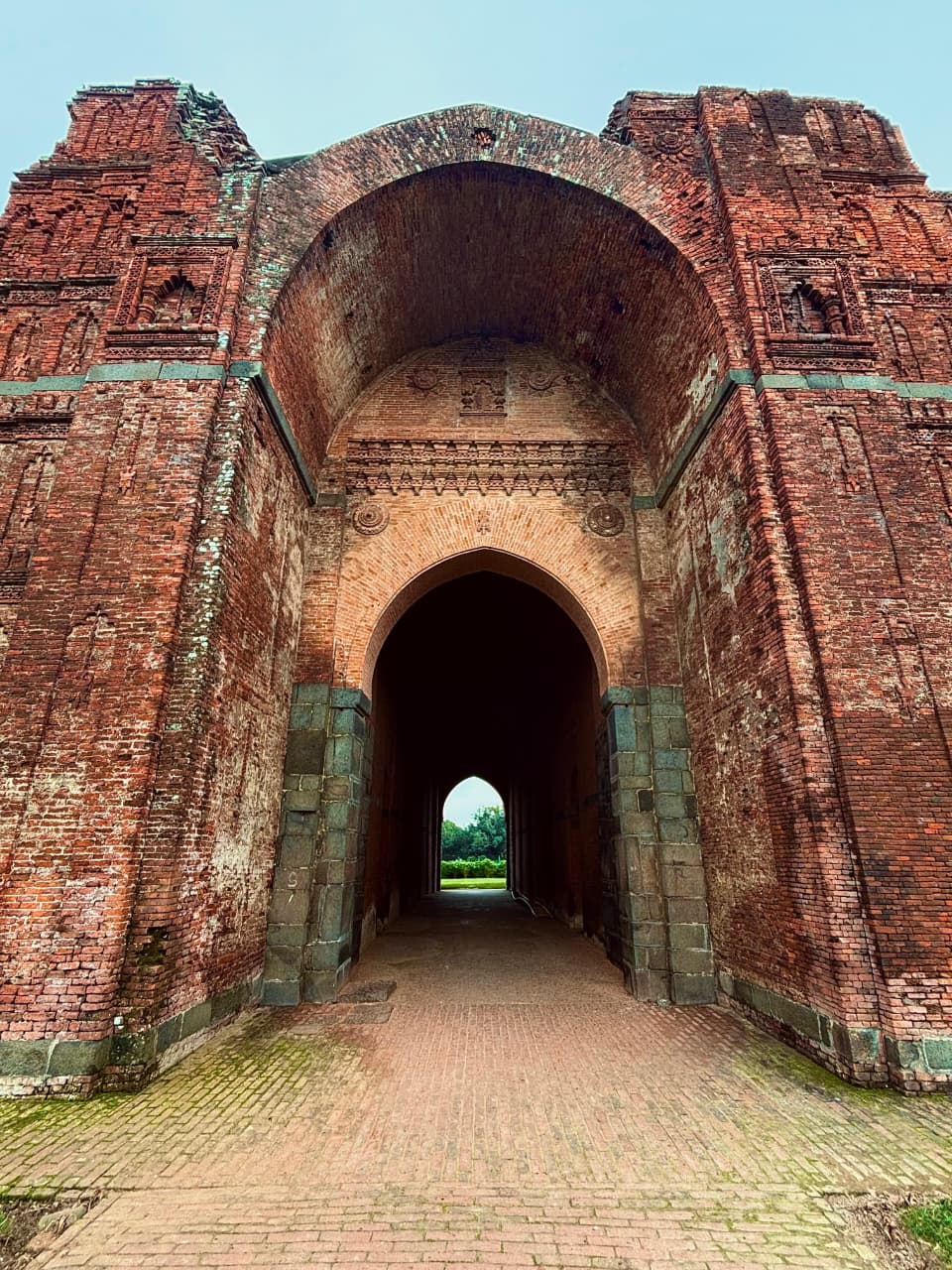
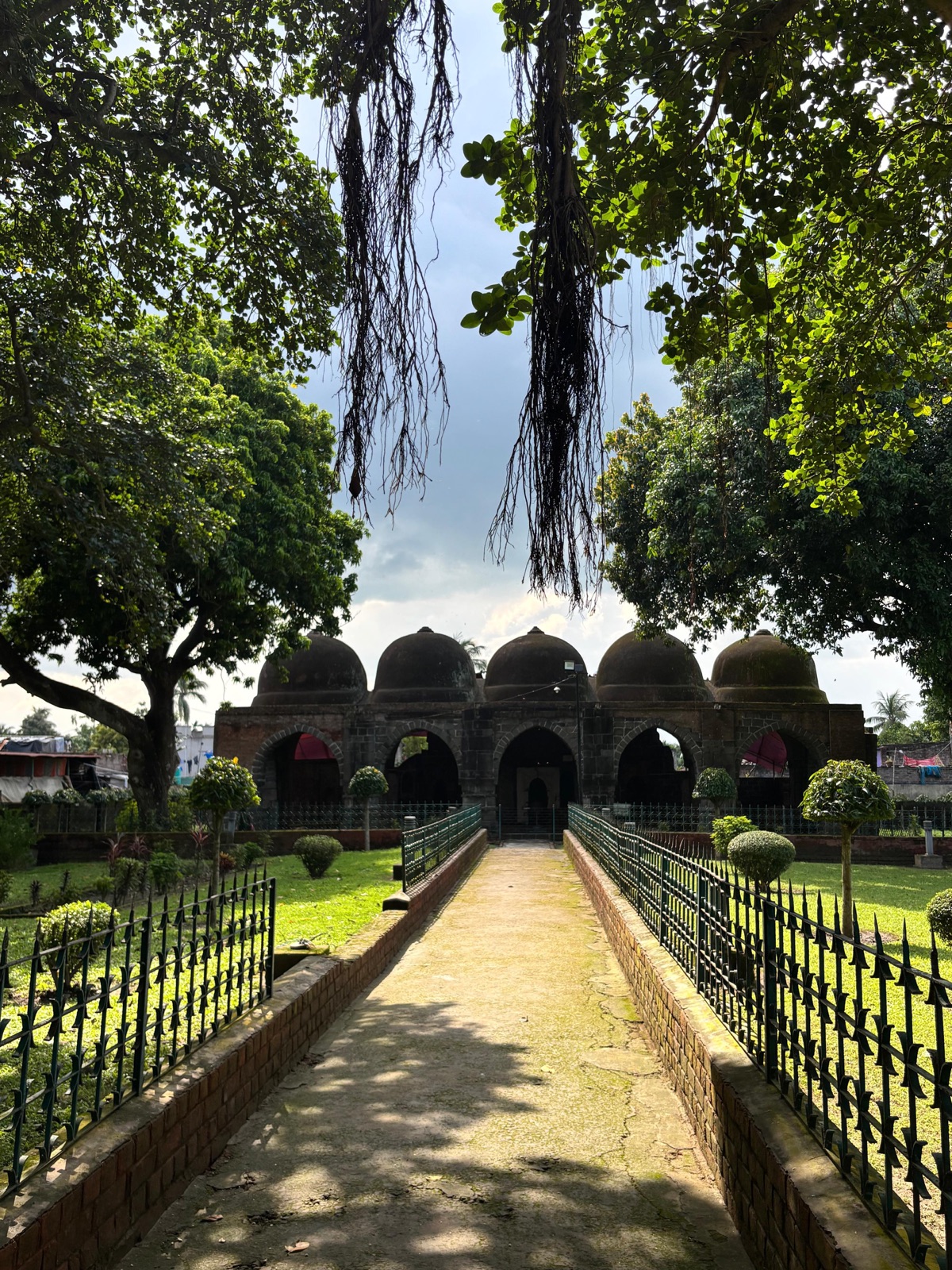
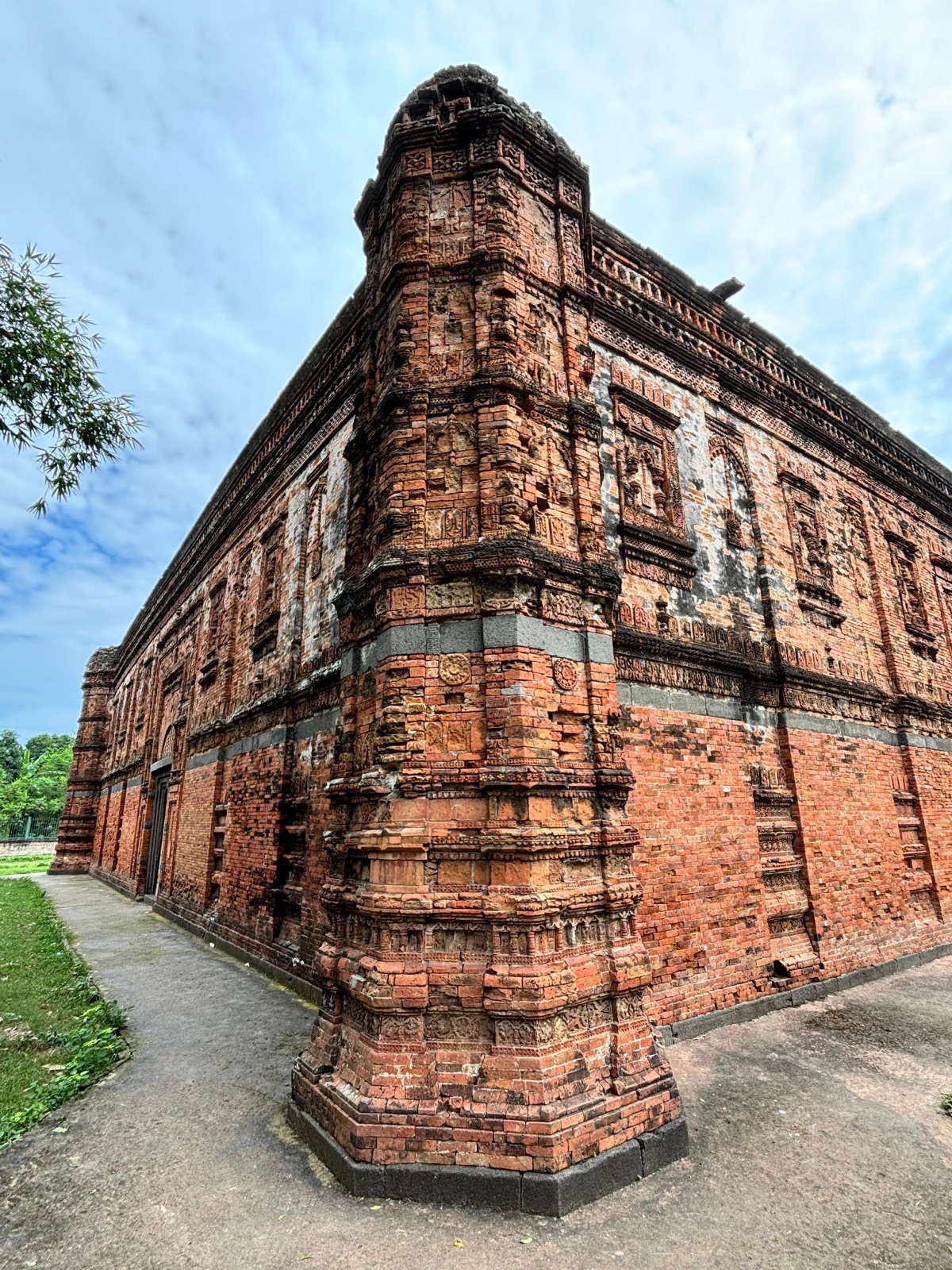
Once one of the great political and cultural centres of medieval Bengal, Gour witnessed the rise and fall of dynasties, struggles for power, royal ambitions, flourishing trade, and encounters between different cultures and faiths. Today, its monumental ruins stand scattered across a landscape where nature has slowly reclaimed the city.

This journey takes you through the lost capital of Gour-Malda—its gateways, mosques, palaces, reservoirs, tombs, and forgotten ruins—to uncover the people and power struggles that shaped medieval Bengal.

From sultans and soldiers to merchants, mystics, and ordinary inhabitants, we follow the many lives of a city that once stood at the heart of Bengal.

Come walk through the ruins of Gour, where every broken wall carries a story of power, ambition, and a capital lost to time.

Behular Bhela
Walk 05

Behular Bhela

Journeying Through the Lost Port of Saptagram

What if a river could remember an entire city?

Long before the Hooghly changed its course and Saptagram faded from the map, Saptagram was one of Bengal’s great riverine ports—a bustling world of merchants, boats, markets, pilgrims, and travellers connecting Bengal to distant lands. Its memory, however, survives not only in historical records but also in the enduring tale of Behula and Lakhindar, where river, journey, devotion, and loss become inseparable.

This heritage journey follows the traces of Saptagram’s maritime and cultural past, exploring its temples, old settlements, waterways, trading histories, and the stories that have survived the disappearance of the port. Along the way, we move between history and memory, folklore and landscape, asking what remains of a city when its river changes course and its glory becomes legend.

Come aboard Behula’s Bhela, and journey through the lost port of Saptagram—where the river still carries echoes of a forgotten Bengal.

MuseumNama
Walk 06

MuseumNama

An Informal Afternoon at the Indian Museum, Kolkata

What if a museum wasn’t a place you simply visited, but a place where you could sit, wander, wonder, and have a good old adda?

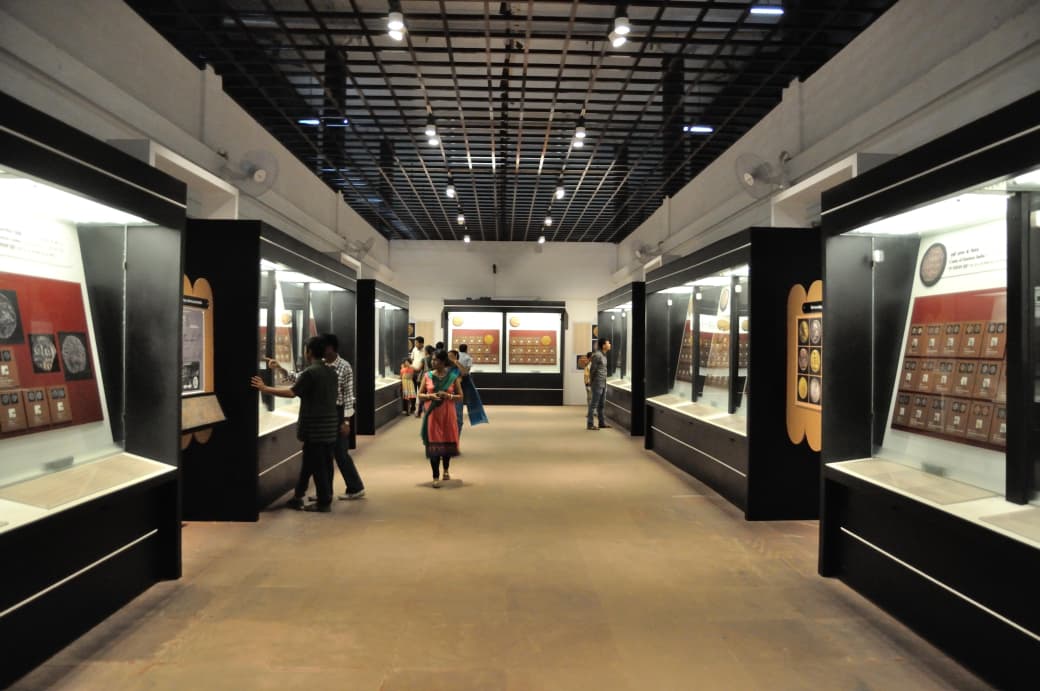
MuseumNama is an informal afternoon at the Indian Museum where we leave the textbook behind and explore the galleries through stories, curiosities, forgotten details, and conversations. From ancient sculptures and fossils to coins, manuscripts, art, and objects that have travelled across centuries, we will pause, look closely, ask questions, and talk about the histories hidden behind them.

No lectures. No rush. Just objects, stories, and a little adda.

Come for the museum. Stay for the stories.

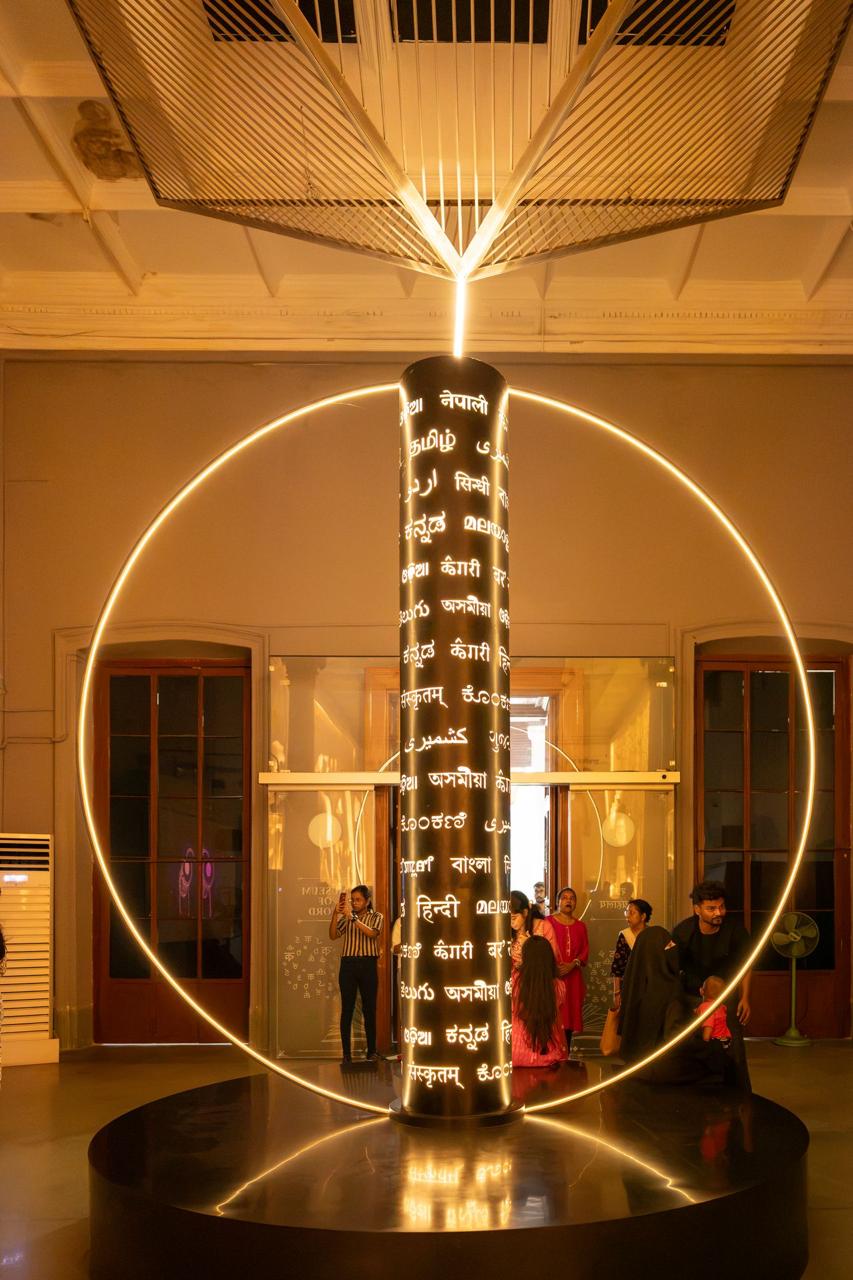
A Dialogue at the Museum of Words
Walk 07

A Dialogue at the Museum of Words

An intimate afternoon with language, literature, and memory

What if words could become objects—and a museum could become a space for conversation?

This intimate gathering invites you to step into the Museum of Words, Kolkata, and explore the worlds hidden within language, literature, memory, and storytelling. Rather than simply looking at exhibits, we will read, listen, question, and converse—following words across time, cultures, and lived experiences.

From forgotten expressions and literary fragments to the stories that words carry across generations, this is an afternoon of curiosity, conversation, and discovery.

No formal lecture. No prescribed answers. Just words, stories, and an open dialogue.

Come with a word. Leave with a story.

37259 Howrah–Bandel Storyline Express
Walk 08

37259 Howrah–Bandel Storyline Express

A Journey Through the Histories of the Hooghly

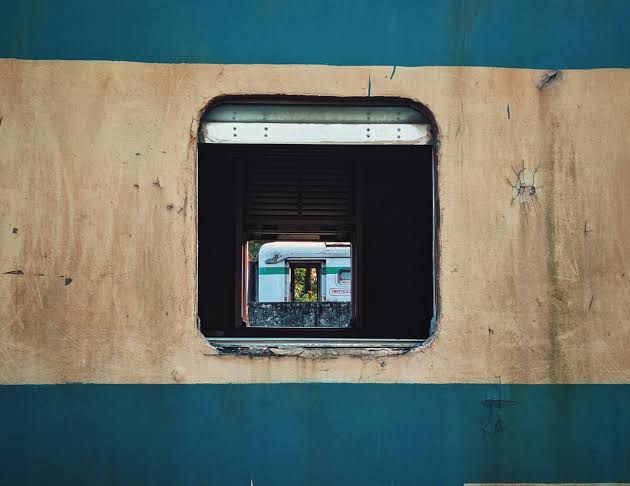
What if a train journey could become a journey through history?

Hop aboard 37259, the familiar Howrah–Bandel route, and travel along a landscape shaped by rivers, railways, trade, industry, migration, and colonial encounters. As the train moves northwards along the Hooghly, each station becomes a doorway into another chapter—from the industrial neighbourhoods of Howrah and the old river ports to the Dutch, French, Portuguese, and Bengali histories that transformed the towns along the way.

This is not simply a ride from Howrah to Bandel. It is an attempt to read the landscape from the train window—to notice the forgotten buildings, riverside settlements, factories, temples, churches, markets, and everyday lives that together created the history of the Hooghly.

Get on the train. Look out the window. The Hooghly has a story to tell.